Airports sell romance and stress in equal measure. You picture a coffee in the departures lounge, then realize your data roaming might cost more than the flight. That’s the moment eSIM trials start to make sense. A digital SIM can get you online the minute you land, often for a fraction of carrier roaming rates. Better yet, several providers let you try eSIM for free, or nearly free, before you commit.
I’ve tested eSIM across a dozen countries, from café Wi‑Fi deserts to rural train rides, and I’ve learned which trials actually help and which just pad a marketing page. Here is how to use an eSIM free trial to protect your travel budget, avoid roaming charges, and make sure your phone behaves the way you expect when you step off the plane.
Why a trial matters more than a slick plan page
Travel data looks simple until it isn’t. A plan can advertise “5G in 60+ countries,” yet your phone might cling to EDGE speeds at a border crossing or in a basement hotel room. A trial lets you check three things in advance.
First, you see whether your device and OS play nicely with an international eSIM free trial. iPhones from the XR/XS era onward and most premium Android models support eSIM, but activation flows vary. Better to find out at your kitchen table, not between immigration and baggage claim.
Second, you verify network quality where you’ll be. One city can have excellent 5G on one partner network and patchy service on another. A prepaid eSIM trial typically includes a small data bucket, often 50 MB to 500 MB, which is enough to run a speed test and check maps.
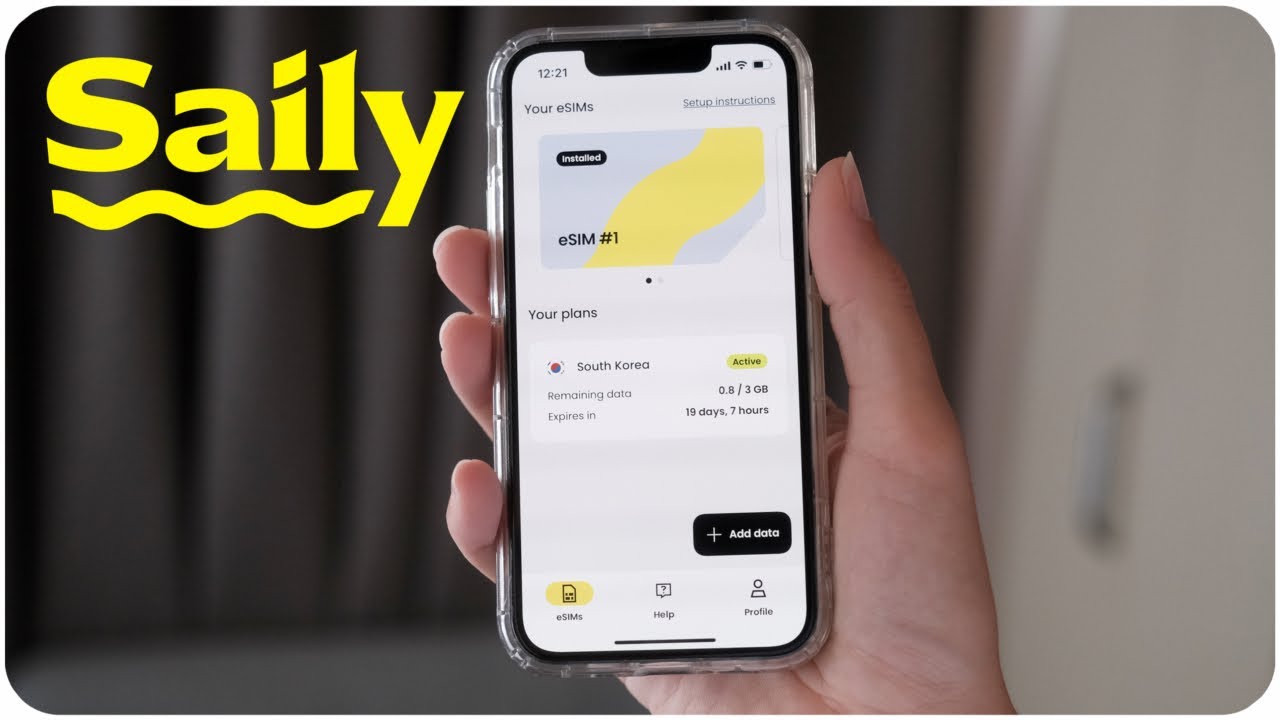
Third, a trial shows how a provider handles account management and support. Some apps make it easy to top up, extend a temporary eSIM plan, or switch to a prepaid travel data plan. Others bury country lists and throttle policies three taps deep.
What “free” really means in eSIM trials
The phrase “try eSIM for free” covers a spectrum. A few services offer a genuinely free eSIM activation trial with limited data that expires in 24 to 72 hours. Others charge a token amount, like an eSIM $0.60 trial that buys you 100 MB to test activation and coverage. A handful treat the trial as a credit applied to a paid plan once you verify your number or email.
Expect guardrails. Trials may be restricted to new accounts, may only work in your home country, or may be a special “global eSIM trial” that prioritizes partner coverage rather than the fastest local network. Some providers offer region‑specific promos, like an eSIM free trial USA or a free eSIM trial UK, to help you test at home before traveling.
If a mobile eSIM trial offer hides behind a long form, that’s a red flag. Reputable services show the data amount, trial duration, compatible countries, and whether voice/SMS are included. Most trials are data‑only, which suits maps, ride‑hailing, and messaging apps that can run over data.
eSIM basics, without the fluff
An eSIM is a digital SIM card embedded in your phone. You install a profile by scanning a QR code or using an app, and your device treats it like a normal SIM. You can keep your physical SIM active for calls and texts, while your eSIM handles international mobile data. That dual‑line setup is the sweet spot for travel. You keep your number for banking codes and airline updates, and you use the prepaid eSIM trial to avoid roaming charges.
Apple made the iPhone 14 line eSIM‑only in the United States, while international versions still include a physical SIM tray. Android support varies by model and region. Before you do anything, check Settings: on iPhone, look under Cellular; on Android, search for SIM manager or eSIM. Then confirm your device is carrier unlocked. A locked phone may refuse non‑carrier eSIMs.
The value of testing before you fly
I learned this the hard way in Lisbon. My regular carrier’s data pass promised “simple daily roaming.” Simple until it silently capped tethering. I used my laptop for an hour, hit an undisclosed threshold, and watched downloads crawl. A few euros on a trial eSIM plan sorted it, but I wasted half a day troubleshooting hotel Wi‑Fi. These days I run a mobile data trial package at home the week before departure. A quick activation test, a speed check, and a call to my bank with my regular SIM confirms everything works as intended.
If you’re taking a multi‑country trip, a prepaid eSIM trial also helps decide between a regional bundle and single‑country plans. I’ve had better luck with a regional plan across border‑dense areas like the Balkans or the EU Schengen zone. In single‑country scenarios, a local plan can be faster and cheaper, but you often need a passport scan and a local address. For short‑term visits, a low‑cost eSIM data plan with clear terms wins.
Typical trial structures and what they reveal
Most trial eSIM for travellers options fall into a few patterns.
A 100 MB to 200 MB data slice for 24 hours. Enough to activate, run a speed test, load a few maps, and see if your phone maintains an LTE/5G anchor. If activation fails or service is poor at home, it likely won’t improve abroad.
A small regional allowance, like 300 MB across Europe for 3 days. Useful for layover tests and border crossings. You’ll confirm whether automatic network selection chooses a solid partner.
A time‑boxed unlimited period that throttles after a threshold. For example, “unlimited at 1 Mbps for 24 hours.” This lets you test streaming audio and message syncing but won’t tell you how fast 5G peaks.
An activation‑credit model. You pay a tiny fee, the provider then credits it against your first paid top‑up. This is common in an international eSIM free trial where providers want to verify your payment method before allocating network resources.
Step‑by‑step: testing a trial without messing up your main line
Use this quick checklist to keep your regular number safe while you experiment.
- Confirm your device supports eSIM and is carrier unlocked. Check your IMEI/eSIM status in Settings and, if needed, call your carrier to unlock. Install the provider’s app or scan the QR code on Wi‑Fi. Do not remove your physical SIM. During setup, set the eSIM as data only, keep your primary line for calls and texts. In cellular data settings, toggle “Allow Cellular Data Switching” off if you want to force the eSIM for data. Otherwise, the phone may revert to your main SIM and trigger roaming. Run a speed test, open maps, load a few websites, and toggle airplane mode on and off. Take note of the network name your phone displays and signal stability in different rooms. Test tethering if you plan to work on a laptop. Some plans allow hotspot use, others block it or throttle sharply.
Keep this eSIM profile installed until you board. If your provider allows it, top up that trial into a full short‑term eSIM plan when you land. If not, you already know the activation flow works, which saves time at the airport.
How trials differ by region
United States. An eSIM free trial USA is often generous in metro areas with dense network competition. You can usually test 5G NR performance and mid‑band coverage. The caveat: suburban and rural areas may rely on 4G LTE bands your phone handles differently. Run a test near home and near your airport if possible.
United Kingdom. A free eSIM trial UK tends to reflect strong urban coverage. Note how the provider handles 5G stand‑alone vs non‑stand‑alone. In my experience, NSAs often show “5G” with LTE‑like performance at peak commute hours. The trial reveals the real‑world throughput you’ll get in central London or Manchester.
Europe and Schengen. For multi‑country itineraries, an eSIM trial plan that lists each country’s partner is ideal. Your phone might prefer a weaker partner by default. Check if the provider supports manual network selection and whether that violates terms.
Asia and Oceania. In Japan or Singapore, a global eSIM trial typically performs well. In parts of Southeast Asia and Australia, speeds can swing by carrier and time of day. Trials expose congestion patterns, which matter if you rely on video calls.
Middle East and Africa. Coverage varies widely. Even a small trial helps you decide if a premium regional plan is worth it. I’ve paid a bit more for consistent LTE in Morocco and the UAE because lost time at border checkpoints was costlier than an extra ten dollars.
Cost comparisons worth running
I like to run two calculations before every trip. First, compare the per‑day rate of your carrier’s roaming add‑on against a short‑term eSIM plan. A $10 daily pass looks fine on a weekend hop, but a 14‑day trip turns that into $140 for perhaps 2 GB per day with unclear throttling. A prepaid travel data plan usually charges a fixed amount for a chunk, like $20 to $30 for 5 GB lasting 30 days. If you under‑ or over‑shoot, most apps let you add a small top‑up.
Second, price a local SIM against an eSIM. Local SIMs can be cheaper, but you trade time and documentation. In countries with strict SIM registration, you spend an hour at a kiosk with a passport scan and a form in the local language. If your schedule is tight, a travel eSIM for tourists often pays for itself in convenience.
Common pitfalls and how to avoid them
Roaming toggles. On iPhone, if “Data Roaming” remains on for your primary SIM, the phone can silently roam on it when the eSIM drops a tower. Double‑check which line handles data. On Android, similar settings live in SIM Manager.
eSIM migration issues. If you switch phones right before a trip, make sure your provider allows eSIM transfer. Some lock the profile to one device. A trial before the switch saves you a headache at the gate.
Throttled hotspots. An offer might say “unlimited,” then heavily restrict tethering. If you need a work session, verify hotspot allowances during the trial.
Region locks. A few international eSIM free trial offers only work in select countries. If your departure city is outside the list, activation might fail until you travel. In that case, activate at the destination airport on Wi‑Fi.
Auto‑renew toggles. Trials can morph into paid plans if you accept a default renewal. Turn off auto‑renew unless you’re certain you want it.
Privacy and security considerations
An eSIM profile is software. Install only from the official app or a QR code delivered by the provider’s secure site. Avoid screenshots from forums and copied codes. Providers should disclose how they handle your identity data, especially where SIM registration laws require an ID. If a mobile eSIM trial offer asks for more personal data than your home carrier did, walk away.
If you use your regular SIM for two‑factor codes, keep that line active for voice and texts but disable its data. Your messaging apps will continue to work over the eSIM. Many banks now support app‑based authentication, which reduces reliance on SMS while abroad.
When a paid plan beats a free trial
Free is great for sanity checks, not for heavy use. If you plan to work on the road, buy a plan with a clear data allotment, explicit hotspot terms, and transparent top‑ups. I tend to start with a 3 to 5 GB package for a week‑long trip, then add as needed. A low‑cost eSIM data plan that actually delivers consistent 10 to 50 Mbps will outperform a flaky “unlimited” plan that dips below 1 Mbps during the afternoon crunch.
If your route crosses multiple borders, choose a plan labeled for your region rather than a global catch‑all, unless the global plan publishes its partner list country https://cesardluu082.cavandoragh.org/global-esim-trial-stay-online-from-airport-to-hotel by country. Smaller providers may ride on the same wholesale partners anyway, so the difference is often in customer service and app polish.
How to choose a provider without getting lost in hype
Skip slogans about “best eSIM providers” and look at five specifics. Coverage partners, published or not, tell you whether you’ll attach to Tier 1 networks or bargain resellers. Data policies should spell out speed caps, hotspot rules, and fair use thresholds. App usability matters more than you think; you’ll need it when your boarding group is called and you’re trying to top up. Support speed in your destination time zone saves you when something goes sideways. Lastly, refund or credit rules for failed activation show whether the company stands behind the service.
If you need a global eSIM trial that scales to a long trip, prioritize providers with consistent performance across several regions rather than a single country where they shine. Read a few recent user reports from the last three months, since roaming arrangements change and so does network congestion.
A practical packing routine
I run a small ritual the day before travel. I install or confirm an eSIM profile at home on Wi‑Fi. I label lines clearly in settings: Primary for calls, Travel for data. I download offline maps for my first city to reduce the initial data spike. I toggle iCloud or Google Photos backup to Wi‑Fi only, which prevents your phone from burning a gigabyte as soon as you shoot a few photos on the tarmac. Then I test messages and a quick hotspot session.
For families or small teams, I assign one person to manage a larger data package and share via hotspot for check‑in and rides. Everyone else installs a small temporary eSIM plan as a backup. Splitting responsibilities avoids three simultaneous top‑ups in a taxi queue.
The realistic data budget for common trips
A long weekend in one city usually fits into 1 to 2 GB if you rely on hotel Wi‑Fi at night. Navigation, rides, light messaging, and a few restaurant searches add up to a few hundred megabytes a day. A week of sightseeing with frequent uploads and short video calls will consume 3 to 5 GB. If you stream music during long walks or use maps heavily in transit systems, budget toward the upper end. Remote work days push usage to 5 to 10 GB, particularly if you attend video meetings or sync cloud files.

Trials won’t cover these amounts, but they confirm that the network can sustain them. If your test shows single‑digit Mbps at noon in a major city, plan on a larger buffer or pick a different provider.
Edge cases where a physical SIM still helps
Some destinations enforce strict eKYC rules that favor physical SIM activation at a store with passport verification. If you’re staying for a month or more, a local SIM may be cheaper by a wide margin. Rural travel can also favor a local SIM tied to the dominant carrier with broader low‑band coverage. In those cases, an eSIM remains valuable for your first 24 hours, airport transfers, and as a backup when the local SIM misbehaves.
Dual‑SIM juggling can get messy if you stack multiple eSIM profiles and forget which one holds an active data plan. Name them clearly. I use a simple scheme: Travel‑EU‑June, Travel‑JP‑Fall. Delete expired profiles to reduce confusion.
Two minimal lists for quick reference
Choosing a trial that’s actually useful:
- Data amount and duration disclosed upfront, ideally 100 to 500 MB for 24 to 72 hours Clear country list, with partner networks named or easily found Hotspot policy stated in plain language, even for trials App that supports line labeling, top‑ups, and eSIM transfer or re‑issue Simple refund or credit if activation fails
Settings to double‑check before you fly:
- Primary line set for voice/SMS, travel eSIM set for data only Data roaming off on the primary SIM, on for the travel eSIM Allow Cellular Data Switching disabled unless you intend to use it Hotspot enabled and tested on the trial Cloud backups, auto‑updates, and large app downloads set to Wi‑Fi only
The bottom line for travelers
A small trial can prevent a big bill. With an eSIM free trial, you confirm compatibility, coverage, and the provider’s honesty about speeds and hotspot use. If you find a good fit, converting to a short‑term eSIM plan takes seconds, and you start the trip with working data, local maps, and rides lined up. That alone takes the edge off a red‑eye.
You have a lot of flexibility. Use a trial at home if a provider offers an eSIM free trial USA or a free eSIM trial UK, then upgrade before you leave. For multi‑country journeys, look for a regional plan with transparent partners. Keep your main number for calls and authentication, and let the digital SIM card handle international data. With a little preparation, you’ll step into arrivals with a working phone, a clear budget, and one fewer airport kiosk to queue for.